Your first week with Terragrix: build a watering baseline that lasts
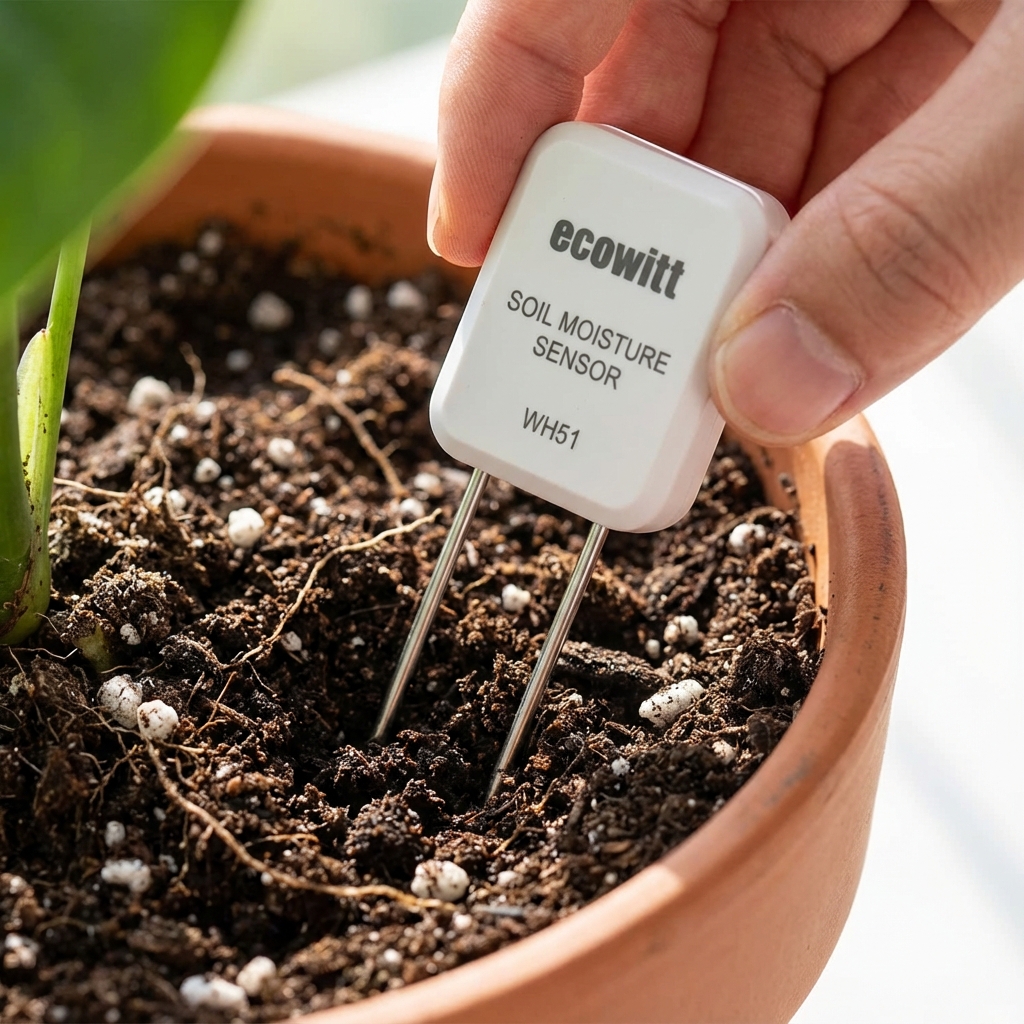
The first week is not about perfect automation. It is about earning trust with yourself and with the plants. I remember the first roof we instrumented. It was a six story walkup with a locked elevator, a narrow watering window, and a chef who wanted herbs ready for service at 5pm every day. We tried to jump straight to a schedule. We were proud of our spreadsheets. The plants did not care.
On day three we over-watered the rosemary, on day four we under-watered the tomatoes, and by day five the team was annoyed because the “system” kept changing its mind. The only thing that improved in that week was our humility. We stopped asking the system to be smart before we gave it an honest story.
A baseline is that story. One clean watering event, one calm dry-down, and the minimum context needed to make the curve make sense. It is boring, and that is exactly why it works.
Table of Contents
The belief: a baseline beats a schedule
A schedule is a guess dressed up as a plan. A baseline is evidence. It tells you how a specific container behaves after a real watering, under real conditions, with all the quirks that make a balcony different from a backyard. When you have that one honest curve, you can adapt to weather, wind, and human error. Without it, you are just chasing the last mistake.
Our early customers asked for schedules because they wanted certainty. We learned to give them something better: a calm, repeatable ritual that created certainty. Once we had a baseline, the system could make decisions that felt obvious. Without a baseline, every alert felt like a guess.
The constraints we designed for
We did not build Terragrix in a greenhouse with perfect access. We built it on rooftops and balconies where time windows are real, not theoretical. Some sites had 20 minute access windows because the roof is shared. Some had water restrictions from the building manager. Some had helpers rotating every week, which meant instructions had to be short and clear.
Those constraints shaped the baseline ritual. It had to be something a new helper could follow in one visit. It had to work even if someone forgot a note. It had to be short enough that you would actually do it on a Monday morning when you are already late.
The baseline ritual we keep
We do one normal watering. Not a tiny sip, not a panic soak. A normal watering that you would do on any other day. We note the time, we take a photo, and we leave it alone. The hardest part is not the watering. It is the waiting. The first week is a test of patience, not technology.
Each morning we look at the curve once. We are not hunting for perfection. We are checking for a clean rise, a steady decline, and any obvious sensor mistake. If the sensor looks wrong, we reseat it once and repeat a small watering so the curve has one clear signal. Then we stop touching it. That is the whole point.
What we learned the hard way
We learned that the baseline is less about data and more about honesty. If you top off after a watering because it feels low, you just created a confusing story. If you move the sensor twice in a week, you just blended two different containers into one messy curve. The system does not need more water or more adjustments. It needs one truthful line.
We also learned that naming matters. A sensor called “Probe 3” does not inspire care. A sensor called “North rail tomatoes 10L” does. When we renamed sensors and containers in plain language, people took the baseline seriously. The system learned faster because the humans stayed consistent.
Mistakes we made
We made the classic mistake of chasing the graph. When a line dipped, we panicked and watered. When a line spiked, we assumed it was wrong. We forgot that we were looking at living systems, not charts. The plant does not know you are testing a product. It only knows water, light, and time.
We also overdid the setup. We asked people to log everything in week one, which backfired. More logging led to more corrections, which led to more noise. The best baselines we have ever seen came from simple notes and one clean watering.
Finally, we underestimated wind. On a balcony, wind can make a container behave like a smaller one. When we ignored exposure, our baselines looked inconsistent and we blamed the tech. The fix was not a better algorithm. The fix was a better label.
Numbers we watch, not formulas
We do not share formulas, but we do keep a small scoreboard. It helps us know if a baseline actually stuck.
- Time to confidence: how many days until the team stops second guessing and starts trusting the next recommended watering window. For most sites, a calm week is enough.
- Emergency waterings: if we still need to rescue more than twice in a week, the baseline is not clean yet.
- Helper questions: if helpers are still texting “should I water this?” after week one, we missed something in the setup.
- Consistency of notes: if the names and locations change, the curve will not be stable.
These are human metrics. They tell us if the system is helping or creating work. That is the only score that matters in week one.
Action steps for your first week
If you only remember one thing, remember this: the best baseline is boring. Here is the minimal plan we use.
- Pick a normal watering day and commit to doing it once, not twice.
- Name every container in plain language so the curve has a real home.
- Take one photo after watering. It gives you a visual anchor later.
- Check the curve once per day, not five times per day.
- Resist the urge to top off for 48 hours unless the plant is truly stressed.
- Write one sentence of context: sun, wind, and container size.
If you do only those six steps, you will get a baseline that lasts all season.
FAQ
Is one week really enough?
For most containers, yes. The point is not to capture every possible weather pattern. The point is to capture a clean watering and a normal dry-down. That one story is enough to make the next decision feel obvious.
What if I miss a day in week one?
Missing a day is fine. Over-correcting is the problem. If you miss a check, just resume the next morning. The plant will keep telling its story whether you are watching or not.
What if the sensor looks wrong?
Reseat it once, do a small repeat watering to get a clean spike, and then leave it alone. If you keep moving it, you will never know which container you are measuring.
Do I need to do this for every single container?
Do it for your most important containers first. The learning from those will guide the rest. Once you trust the process, the rest becomes routine.
A baseline is not a feature. It is a commitment to being honest with a system that learns from what you do. If you give it a clean first week, it will give you a calm season.